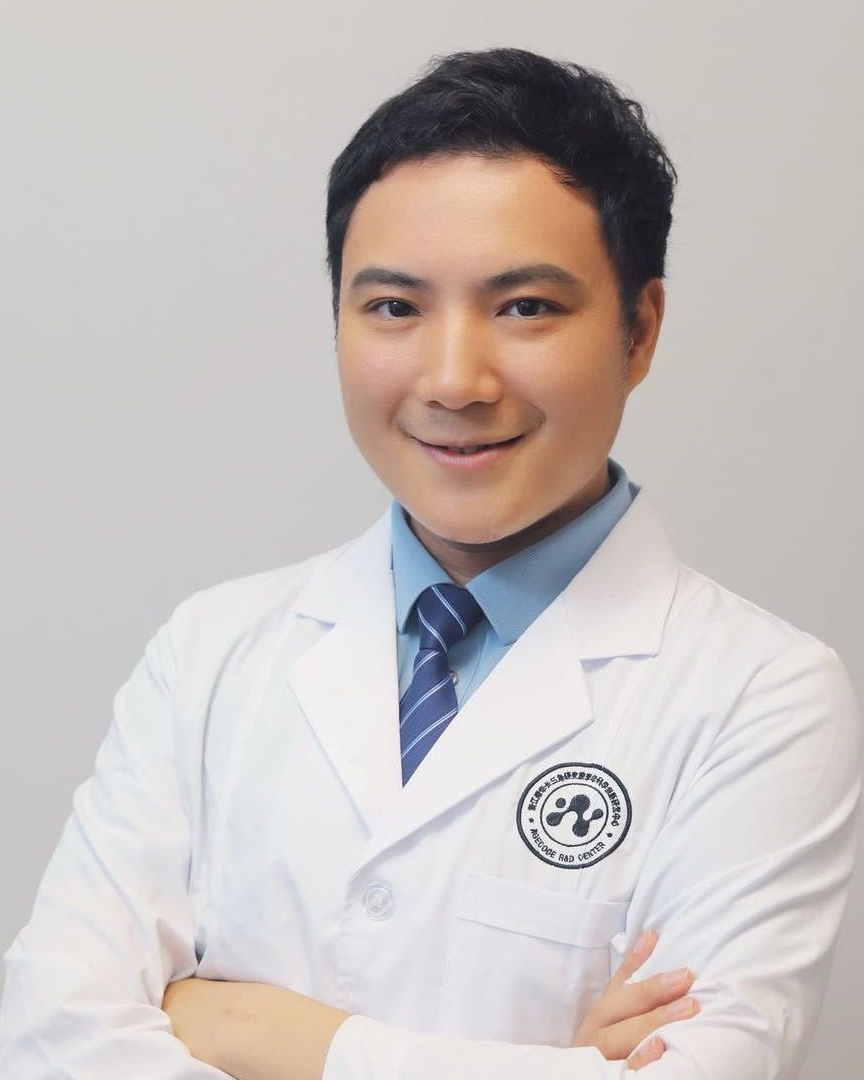
AGECODE R&D Center, Yangtze Delta Region Institute of Tsinghua University | Harvest Biotech. co, Ltd.
CTO of Harvest Biotech. co, ltd.Deputy Director of AGECODE R&D Center, Yangtze Delta Region Institute of Tsinghua University
Current lectures/posters
14.10.2026
16:45
17:15
Room 2+3
Beyond ATP/NAD+ Boosting: Intercellular Mitochondrial Transfer as a Skin Longevity Mechanism
Scientific Conference (SEPAWA)
| Personal Care (SEPAWA/CAT)
, Targeting Longevity, Next Level in Anti-Aging & Well-Being?
(available in the SOFW media library after the congress)
Lecture Language: English
Skin-ageing research in cosmetics has traditionally focused on enhancing ATP generation or NAD+ metabolism within individual cells. However, dermal ageing unfolds within a multicellular microenvironment in which fibroblasts, keratinocytes and other resident cells operate as an interdependent community. In this study, we propose intercellular mitochondrial transfer as a previously underexplored mechanism of bioenergetic rescue that may contribute to skin longevity and stress resilience. Using a co-culture model of young healthy and naturally aged human dermal fibroblasts, together with mitochondrial tracing, live-cell and confocal imaging, flow cytometry and pathway-level analysis, we observed the directed movement of functional mitochondria from young donor cells to aged recipient cells. Transfer events were associated with tunnelling nanotubes and migrasome-related communication, indicating that multiple structures may participate in endogenous energy sharing. Functionally, recipient aged fibroblasts showed improved mitochondrial status, better metabolic competence and a partial reversal of ageing-associated bioenergetic deficits. When the system was challenged with UV and oxidative stress, mitochondrial transfer was significantly attenuated, suggesting that common exposome insults compromise this intrinsic rescue programme and may thereby reduce tissue resilience. To translate the biology into a discovery platform, we established the co-culture imaging and flow-cytometry workflow as a screening model for cosmetic actives and mechanistically informed efficacy ranking. In this setting, a yeast-derived active restored intercellular mitochondrial transfer under stress conditions, improved cellular energy metabolism and reduced markers associated with senescence, matrix decline and functional deterioration. These findings support a shift from purely cell-autonomous ATP/NAD+ boosting strategies toward a community-based model of skin bioenergetics. Intercellular mitochondrial transfer may therefore represent both a new mechanistic framework for understanding skin ageing and a practical screening endpoint for developing next-generation well-ageing ingredients that enhance resilience, recovery, tissue coordination and long-term tissue function.
14.10.2026
12:00
12:30
Room 15
Microbiome-Activated Recombinant Collagen: Resolving the Macromolecule Debate Through Bioinformatics-Predicted Bioactive Peptides
CSC
| Personal Care (by DGK)
, "ALL COSMETICS, OR WHAT?"
(available in the SOFW media library after the congress)
Lecture Language: English
Recombinant collagens have shown meaningful efficacy in topical anti-ageing, yet their high molecular weight continues to be interpreted as evidence of limited skin utilization. Here, we propose a cosmetics-oriented framework in which beneficial skin commensals play a decisive enabling role: rather than requiring complete intact penetration, recombinant human type XXI collagen can be biologically utilized at the skin interface after enzymatic processing by microbiome-derived proteases into short signalling peptides. Using co-incubation with Staphylococcus epidermidis and complementary enzymatic digestion systems, followed by LC–MS/MS peptidomics, sequence mapping and bioinformatics-guided motif mining, we established a library of microbiome-generated collagen fragments and linked them to multiple application-relevant functional directions. These included extracellular-matrix regenerative repair and gentle post-procedure recovery; repair-linked brightening and tone-evening for UV-associated dullness; scalp-microenvironment support and anti-breakage hair-care positioning; and oral/gingival soothing compatible with daily irritation scenarios. Conceptually, the results support the view that large biomolecules should not be judged solely by a classical penetration paradigm. From a skin-ecosystem perspective, macromolecules can be utilized through surface biotransformation, reservoir behaviour, fragment release, and secondary cell-signalling cascades mediated by beneficial microbiota. In this sense, skin utilization should be defined functionally rather than exclusively by trans-stratum-corneum delivery of the intact parent molecule. The relevant question becomes whether the cutaneous surface ecosystem can decode a macromolecular precursor into accessible biological information. This logic may extend beyond recombinant collagen to a broader class of high-molecular-weight actives already demonstrating topical skin efficacy, including synthetic-biology-derived proteins, engineered extracellular-matrix materials, and nucleic-acid-based ingredients. The microbiome–peptidomics–bioinformatics workflow therefore offers both a mechanistic answer to the macromolecule debate and a general discovery strategy for translating large bioengineered materials into multifunctional cosmetic actives.